National Parks
Banff National Park: Complete Guide
Banff National Park in 2026: park pass prices, the Moraine Lake shuttle, Lake Louise parking, Banff Gondola, top hikes, wildlife rules and where to stay.

Banff is Canada’s oldest national park. In 1883, three Canadian Pacific Railway workers building the line through the Rockies were shown a cave with hot springs on the slopes of Sulphur Mountain. Two years later, in 1885, the government set aside a small reserve around the springs so that nobody could claim them privately. In 1887 the Rocky Mountains Park Act turned that reserve into a park, the third national park in the world after Yellowstone and Royal National Park in Australia.
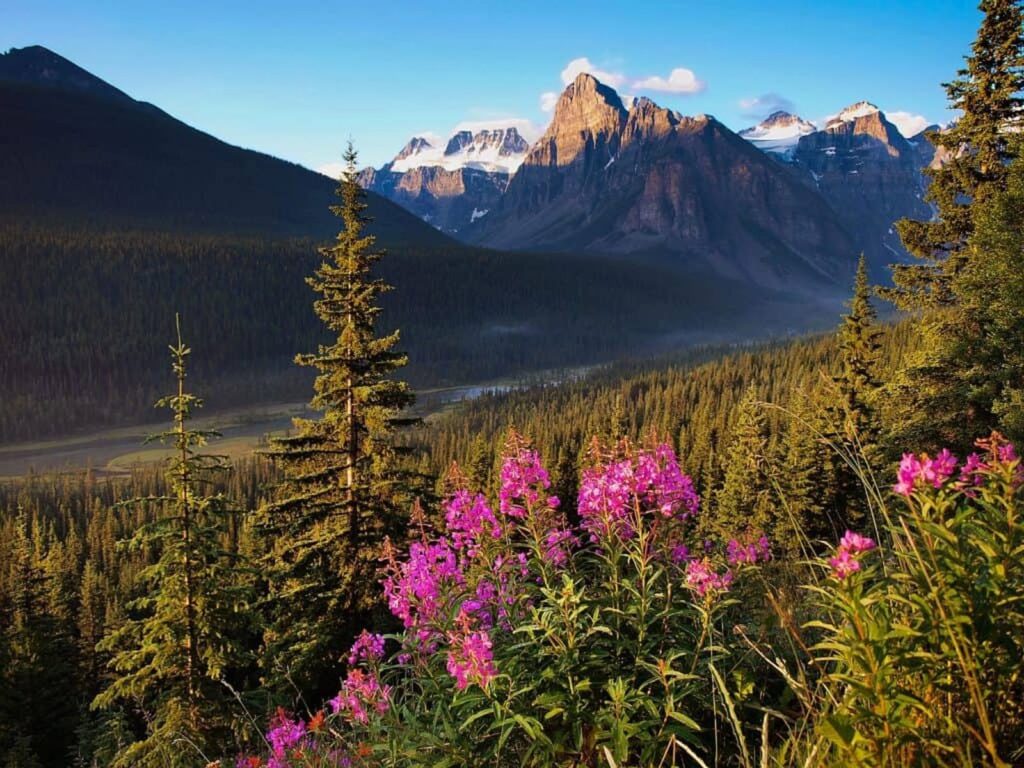
Today the park covers 6,641 square kilometres of mountains, glaciers, canyons, forest and lakes on the eastern side of the Continental Divide in Alberta. Together with Jasper, Yoho and Kootenay it forms the Canadian Rocky Mountain Parks UNESCO World Heritage Site. The town of Banff sits in the Bow Valley at about 1,380 metres, roughly an hour and a half west of Calgary on the Trans-Canada Highway.
Prices in Canadian dollars (CAD), as of October 2026.
Park Passes and Fees
Everyone who stops in Banff National Park needs a park pass. That includes a short stop at a viewpoint or a drive up the Icefields Parkway. You can buy passes online from Parks Canada, at the park gates on the Trans-Canada Highway east of Banff and on Highway 93 South, or at the visitor centres in Banff and Lake Louise. Hang the pass from your rear-view mirror.
| Pass | Price |
|---|---|
| Day pass, adult (18 to 64) | 12.25 CAD |
| Day pass, senior (65+) | 10.75 CAD |
| Youth (17 and under) | Free |
| Day pass, family or group (up to 7 people in one vehicle) | 24.50 CAD |
| Discovery Pass, adult (one year, all Parks Canada places) | 83.50 CAD |
| Discovery Pass, senior | 71.50 CAD |
| Discovery Pass, family or group | 167.50 CAD |
A day pass is valid until 4 pm on the day after you buy it. The Discovery Pass is valid for a full year until the end of the month you bought it in, and it covers all national parks, including Jasper, Yoho and Kootenay. If you plan more than about seven days in national parks within a year, the family Discovery Pass costs less than buying day passes. Current fees are on the Parks Canada Banff fees page (opens in a new tab).
Lake Louise and Moraine Lake: Shuttle, Transit and Parking
Lake Louise lies about 58 kilometres northwest of Banff. The lake sits at the end of a short road above the village of the same name, in front of the Victoria Glacier and Mount Victoria (3,464 metres). Moraine Lake is about 14 kilometres further on, in the Valley of the Ten Peaks. These two lakes are the busiest places in the park, and Parks Canada has changed the rules for reaching them.
Moraine Lake: no private vehicles
The Moraine Lake Road is closed to personal vehicles all year. Only Parks Canada shuttles, licensed commercial operators and registered guests of Moraine Lake Lodge may drive it. If you arrive in your own car, you park it and take a shuttle.
Parks Canada shuttle
The Parks Canada shuttle leaves from the Lake Louise Park and Ride at the Lake Louise Ski Resort (1 Whitehorn Road). Parking there is free for shuttle reservation holders, and you can drive in between 6 am and 8 pm. In 2026 the shuttles ran on these dates:
- Lake Louise Lakeshore: May 15 to October 12
- Moraine Lake: June 1 to October 12, weather permitting
- Lake Connector between the two lakes: June 1 to October 12, every 30 minutes from 7 am to 6 pm
- Alpine Start (early departures from the Lake Louise Lakeshore for hikers): June 1 to October 12
One ticket covers Lake Louise, Moraine Lake, the Lake Connector and the return trip to the Park and Ride. Fares are 12.75 CAD for adults, 6 CAD for seniors and 4 CAD for youth 17 and under. On top of that you need a park pass and pay a reservation fee of 3.50 CAD online or 5.50 CAD by phone.
Reservations open each spring through the Parks Canada Reservation Service. In 2026 they opened on April 15 at 8 am Mountain Time. About 40 percent of seats are released on that day. The other 60 percent go on sale at 8 am two days before each departure, which helps if you decide late. You book a one-hour departure window, and one reservation can hold up to 10 seats. Book on the Parks Canada Lake Louise and Moraine Lake page (opens in a new tab).
Roam Transit from Banff and Canmore
Roam Transit is the regional bus service in the Bow Valley. Route 8X (Lake Louise Express) runs year round from downtown Banff to the Lake Louise Lakeshore. In summer you should reserve a seat. A Roam Reservable Super Pass also gives you a free ride on the Parks Canada Lake Connector to Moraine Lake from June 1 to October 12, with some restrictions. Route 3 connects Canmore with Banff. Fares and schedules are on roamtransit.com (opens in a new tab). Children 12 and under ride free.
Several private companies also run shuttles to both lakes from June to October, including Mountain Park Transportation from Banff town.
Lake Louise parking
If you want to drive to Lake Louise yourself, parking at the Lake Louise Lakeshore and Fairview lots costs 42 CAD per vehicle per day from May 15 to October 12, 2026. The fee applies from 3 am to 7 pm. The lots often fill before sunrise in July and August, and Parks Canada regularly turns cars away. RVs and oversized vehicles cannot park at the lakeshore. If you have not booked a shuttle, arrive very early or come in the evening.
Things to Do in Banff Town
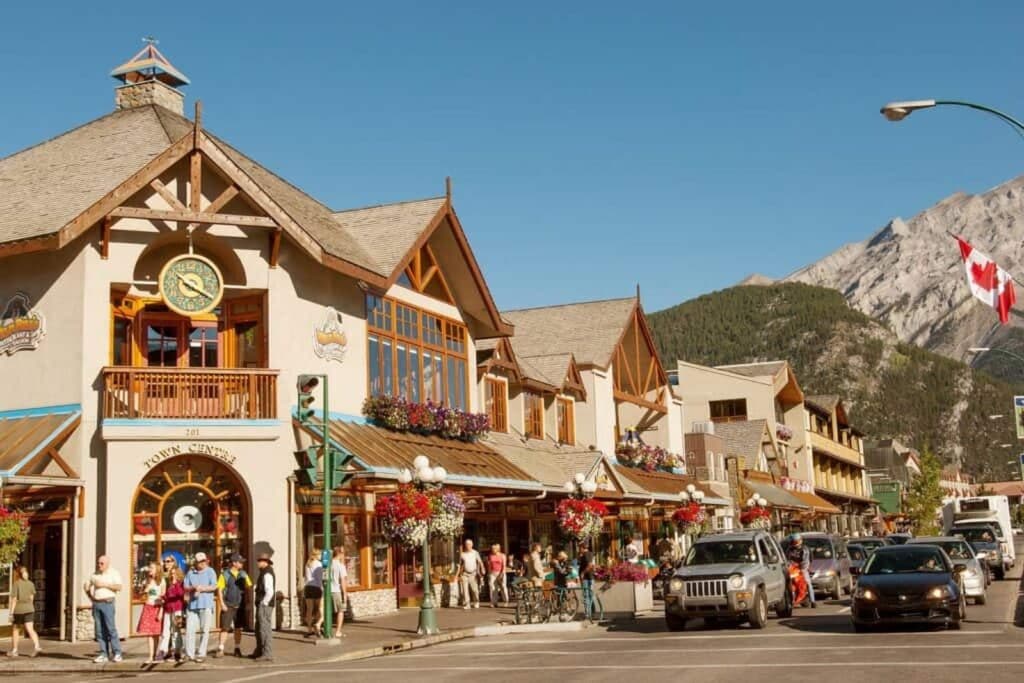
The town of Banff has about 8,300 permanent residents and is the only town inside the park. It was named after Banffshire in Scotland, the home county of two of the railway’s financiers. Banff Avenue is lined with hotels, restaurants, outdoor shops and galleries. Elk often graze on the lawns at the edge of town, so keep your distance when you walk to your car.
Banff Gondola
The gondola climbs Sulphur Mountain in about 8 minutes. The upper terminal stands at 2,281 metres, with a restaurant, a café and an interpretive centre. A boardwalk with 368 shallow stairs each way leads along the ridge towards Sanson’s Peak and the historic weather observatory. Ticket prices change by date and time of day, so check the price for your date on banffjaspercollection.com (opens in a new tab). A one-way ride down costs half of the regular admission, and children 5 and under ride free. Parking at the lower terminal costs 17.50 CAD and the lot fills at busy times. A free gondola shuttle and Roam buses run from town. The gondola is open all year except for a short maintenance period each November.
Banff Upper Hot Springs
Next to the gondola base you can soak in the Banff Upper Hot Springs, a public pool fed by the springs. Admission is 19.75 CAD for adults, 17.25 CAD for seniors and youth, and 64.25 CAD for a family.
Cave and Basin National Historic Site
The Cave and Basin is where the park began. You walk into the cave the railway workers saw in 1883 and look at the warm, sulphur-smelling pool. Bathing is no longer allowed. The exhibits explain the history of Canada’s national parks. For opening hours and admission, check parks.canada.ca.
Fairmont Banff Springs
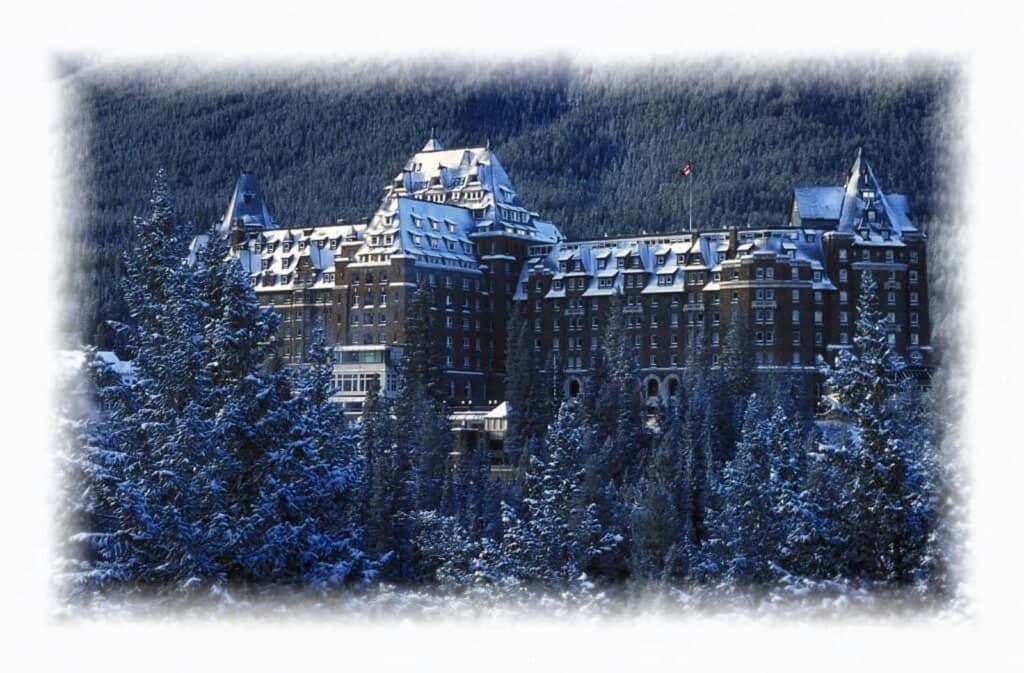
The Canadian Pacific Railway opened the Banff Springs Hotel in 1888 to bring paying passengers to its new line. The building you see today looks like a Scottish castle and has more than 700 rooms, several restaurants and a spa. You don’t have to stay there to visit. From the terrace you look down the Bow Valley, and a short walk below the hotel takes you to Bow Falls, where the Bow River drops over a wide rock step.
Lake Minnewanka and Vermilion Lakes
Lake Minnewanka, about 10 minutes northeast of town, is the largest lake in the park. The Vermilion Lakes, a wetland just west of town, have the greatest variety of wildlife in the park, and in the morning and evening you often see birds, beavers and elk there.
Top Hikes in Banff National Park
The park has about 1,500 kilometres of trails for hiking, cycling and horseback riding. The following day hikes suit most visitors with normal fitness. Before you set out, check trail conditions and closures on the Parks Canada website. Some trails in the Lake Louise area have group-access rules in late summer and fall when bears feed nearby, which means you must hike in a tight group of four or more.
Johnston Canyon
Johnston Canyon is on the Bow Valley Parkway (Highway 1A), about 25 kilometres west of Banff. Steel catwalks bolted to the canyon walls take you above the creek. The Lower Falls are about 1.2 kilometres from the trailhead with little climbing. The Upper Falls are about 2.5 kilometres from the trailhead, with roughly 120 metres of elevation gain. If you continue about 3 kilometres past the Upper Falls, you reach the Ink Pots, a group of small, cold mineral springs in a meadow. The parking lot fills early in summer, so arrive before 8 am or in the evening. Roam Route 9 runs from Banff to the canyon in season.
Lake Agnes Teahouse
This is the classic hike from Lake Louise. The trail starts at the lakeshore and climbs about 385 metres over roughly 3.4 kilometres (one way) past Mirror Lake to Lake Agnes. The teahouse there serves tea, soup and baked goods from June through October. It accepts cash only, so bring some. From Lake Agnes you can continue to the Little Beehive or Big Beehive viewpoints above Lake Louise.
Plain of Six Glaciers
The second teahouse hike at Lake Louise follows the lakeshore and then climbs towards the Victoria Glacier. It is 5.3 kilometres one way with 365 metres of elevation gain. The Plain of Six Glaciers Teahouse is open from June through October and also takes cash only. Past the teahouse a trail continues about another kilometre and a half to a viewpoint above the glacier.
Larch Valley and Sentinel Pass
From Moraine Lake a trail climbs through forest into Larch Valley, which turns gold when the alpine larches change colour in mid to late September. Sentinel Pass lies higher up, between Mount Temple and Pinnacle Mountain. This is one of the busiest trails in the park in fall, so book an early shuttle seat to Moraine Lake. Parks Canada often requires groups of four or more here because of bear activity.
Wildlife and the Rules
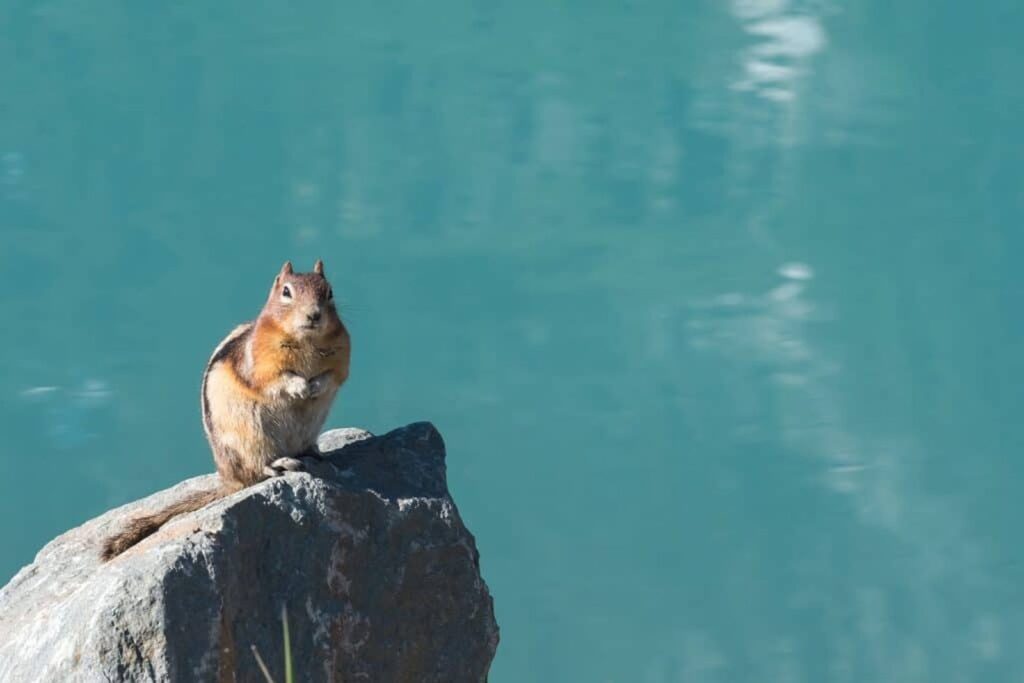
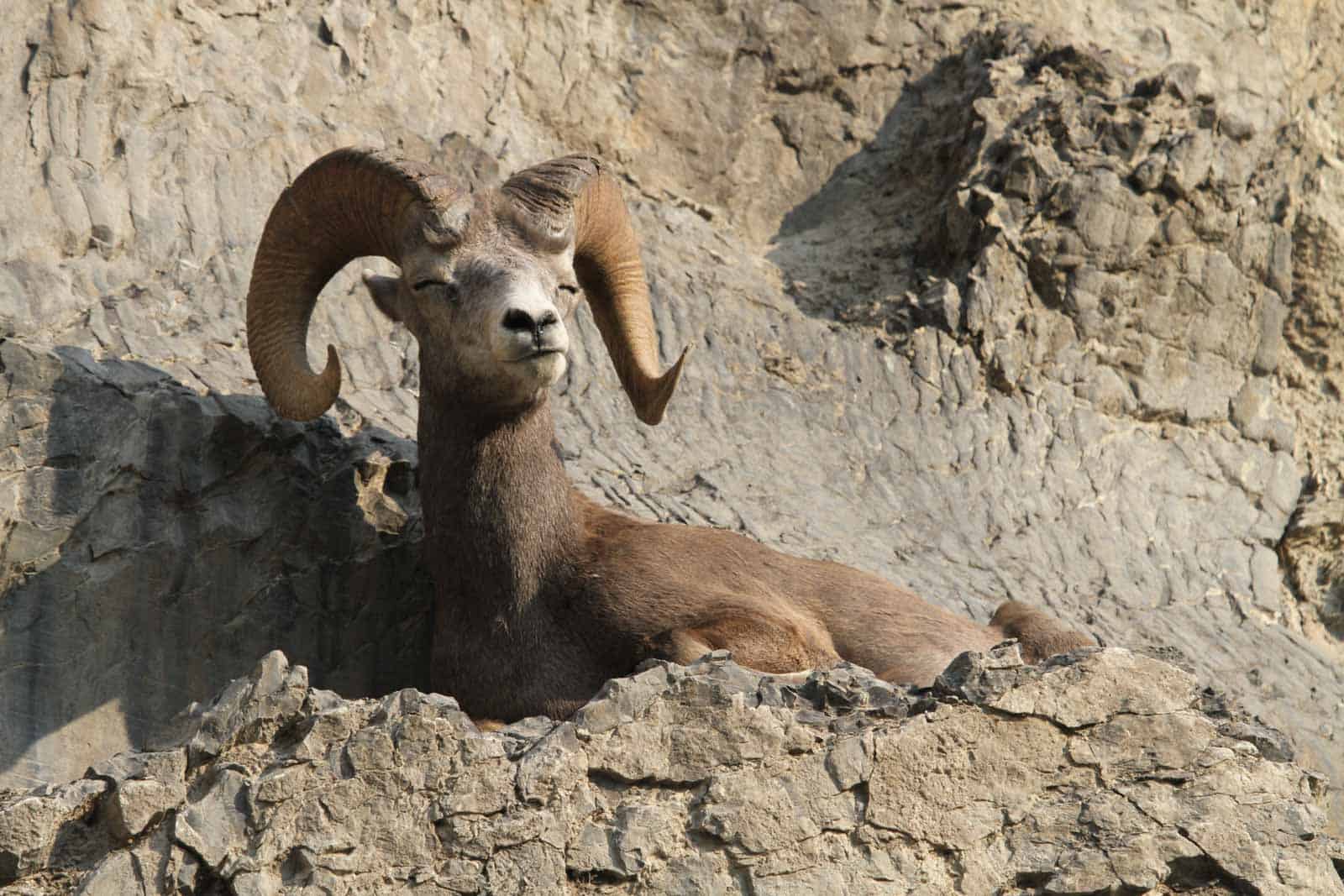
Banff is home to 53 species of mammals and more than 260 species of birds. You will most likely see elk, often in and around town. Bighorn sheep stand along the road to Lake Minnewanka, and black bears and grizzlies feed on dandelions and berries along the roadsides in spring and summer. Because hunting is not allowed in the park, many animals have little fear of people. This is exactly why Parks Canada asks you to keep your distance:
- Stay at least 30 metres (about three bus lengths) from elk, deer, moose and bighorn sheep.
- Stay at least 100 metres (about ten bus lengths) from bears, wolves, cougars and coyotes.
- Feeding, enticing or disturbing wildlife is illegal. Fines can reach 25,000 CAD.
- If you see an animal from your car, slow down and stay inside. If you stop, pull over only where it is safe, turn on your hazard lights and drive on after a quick photo. Don’t create a traffic jam.
- Don’t follow or surround animals for a photo. Use a zoom lens. Drones are not allowed.
- Report bear, cougar, wolf and coyote encounters to Banff Dispatch at 403-762-1470.
Elk are most dangerous in late May and June, when cows protect their calves, and during the fall rut in September and October. On trails, carry bear spray within reach, make noise so bears hear you coming, and if you meet one, stay calm and back away slowly.
Best Time to Visit
July is the warmest month, with average highs of about 22°C in Banff town. January is the coldest, with temperatures often around minus 15°C.
| Season | What to expect |
|---|---|
| Summer (June to August) | All shuttles, lakes and high trails open. Turquoise lakes from late June. Busiest and most expensive time. |
| Early fall (September to mid-October) | Fewer people, golden larches in mid to late September, elk rut. Shuttles to Lake Louise and Moraine Lake ended on October 12, 2026. |
| Winter (December to March) | Skiing at Mount Norquay, Sunshine Village and the Lake Louise Ski Resort. Skating on Lake Louise when the ice is safe. Moraine Lake cannot be reached. Lower hotel rates outside holidays. |
| Spring (April and May) | Snow on high trails until June, lakes still frozen. Good time to watch wildlife in the valleys. |
Where to Stay
Summer rooms are expensive and sell out months ahead, so book early, especially for July, August and the larch weekends in September.
Banff town
Banff town is the best base for most visitors. You can walk to restaurants, the gondola shuttle leaves from town, and Roam buses run to Lake Louise, Lake Minnewanka and Johnston Canyon. Hotels range from motels on Banff Avenue to the Fairmont Banff Springs.
Lake Louise
Staying in the village of Lake Louise puts you closest to the lakes and the trailheads for Lake Agnes and the Plain of Six Glaciers. There are only a few hotels, from the Fairmont Chateau Lake Louise on the lakeshore to smaller lodges in the village.
Canmore
Canmore lies about 25 kilometres east of Banff, just outside the park boundary. Hotels and vacation rentals here often cost less than in Banff, and the town has its own restaurants and shops. You need a park pass as soon as you drive into the park, but not to stay in Canmore. Roam Route 3 connects Canmore with Banff.
Camping
Parks Canada runs several campgrounds near Banff town, at Lake Louise and along the Bow Valley Parkway and the Icefields Parkway. In 2026 unserviced sites cost about 13.50 to 34 CAD per night, serviced sites up to 86.50 CAD and oTENTik cabin tents 147.50 CAD. Reserve on reservation.pc.gc.ca (opens in a new tab).
Tours
If you don’t want to drive or deal with shuttle reservations, guided tours from Banff go to Lake Louise and Moraine Lake, along the Icefields Parkway and into the backcountry. Many include hotel pickup.
Going Further North
From Lake Louise, the Icefields Parkway runs 232 kilometres north to Jasper, and the same park pass covers both parks. Our Jasper National Park guide covers what is open there after the 2024 wildfire.
Frequently asked questions
How much is a Banff National Park pass in 2026?
A day pass costs 12.25 CAD for adults, 10.75 CAD for seniors and 24.50 CAD for a family or group of up to seven people in one vehicle. Youth 17 and under are free. The annual Discovery Pass costs 83.50 CAD for adults and 167.50 CAD for families and groups.
Can I drive my own car to Moraine Lake?
No. The Moraine Lake Road is closed to personal vehicles all year. In summer and early fall you reach the lake with the Parks Canada shuttle from the Lake Louise Park and Ride, with a licensed commercial shuttle or tour, or with the Lake Connector from Lake Louise.
How much does parking at Lake Louise cost?
From May 15 to October 12, 2026, parking at the Lake Louise Lakeshore and Fairview lots cost 42 CAD per vehicle per day, charged from 3 am to 7 pm. Parking at the Park and Ride is free if you have a shuttle reservation.
How many days do I need in Banff National Park?
Plan at least three days: one for Banff town with the gondola and hot springs, one for Lake Louise and Moraine Lake, and one for Johnston Canyon or a longer hike. Add a day if you want to drive the Icefields Parkway to Jasper.
When do the larches turn gold in Banff?
Usually from the middle to the end of September. Larch Valley above Moraine Lake is the most popular place to see them, so book a shuttle seat as early as possible.
Comments
No comments yet. Questions about this article are welcome.
Thank you. Your comment will appear once we have checked it.